Obstetric and gynecological violence is care that is violent, disrespectful, abusive or neglectful. At its heart is the absence of consent, or consent without having received appropriate information.
Freebirth is frequently misunderstood and misrepresented. Discussions of freebirth often emphasise risk but women are most concerned with maternity services and obstetric violence
Spencer and Gabby Goidel hadn’t planned to become activists.
Spencer and Gabby Goidel
I’m a scholar, not an activist or an advocate. But now one of the most intimate, personal events of our lives had been turned into a political event by the state’s highest court.
A free birth is when a woman chooses to have a baby, usually at home, without a registered midwife or doctor in attendance. It’s much riskier than a planned home birth.
From patronising language to non-consensual surgical interventions, the mistreatment of women during childbirth is common – so why do so few women complain?
Half a million new mothers in the US suffer from postpartum depression every year, yet a lack of awareness and stigma toward the condition keep many from getting the help they need.
The placenta and umbilical cord. Watercolour image, unknown artist, 19th century.
Wellcome Collection
In my research, I try to uncover the cultural significance of the placenta and afterbirth in premodern Europe to help us better understand the social and medical history of this important organ.
Mother and baby take refuge from drought and hunger at a refugee camp in Somalia.
Giles Clarke via Getty Images
Many women want to see the same one or two midwives throughout, and want to chose where they give birth. And when the time comes, they want a vaginal birth, with less intervention.
From snake-like creatures with claws to jealous virgin ghosts, female monsters have long been a part of women’s lore. Such figures were Intimately tied to childbirth, sexuality and child mortality.
Having a new baby can upend everything about your old life.
Cavan Images/Cavan via Getty Images
Darby Saxbe, USC Dornsife College of Letters, Arts and Sciences
How you tell the story of a momentous event can help you make sense of what happened. Research finds new moms’ and dads’ narratives around childbirth held clues about their transition to parenthood.
Jewish mothers have created ways to celebrate childbirth with rituals old and new.
Pal Pillai/AFP via Getty Images
Recent generations of Jewish women have looked to reinvent rituals marking the most meaningful moments in their lives, especially childbirth and motherhood.
Research shows that uninsured people are more likely to get care later in pregnancy, and less care overall. This increases risks for mothers and babies.
(Shutterstock)
Discontinuing expanded health-care funding will result in less prenatal care for uninsured patients, more health risks, higher costs to the health system, and moral distress for health-care providers.
It turns out pregnancy itself, regardless of mode of delivery, is a significant risk factor for pelvic floor dysfunction. And there are other risks that have nothing to do with babies.
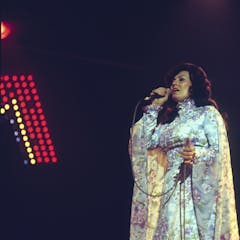
Loretta Lynn’s music articulated the fears, dreams and anger of women living in a patriarchal society.
David Redfern/Redferns via Getty Images
Research Fellow University of Notre Dame Australia; Adjunct Fellow (National Institute of Complementary Medicine), Western Sydney University, University of Notre Dame Australia