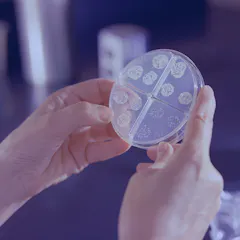
Carbapenem-resistant Acinetobacter baumannii is classified as a priority 1 critical pathogen by the World Health Organization.
Gorodenkoff/Shutterstock
Zosurabalpin is highly effective against dangerous bacterium Crab, which can kill up to 60% of people infected with it.
While antimicrobial resistance is a threat to all humanity, a tale of two worlds emerges, highlighting the heightened vulnerability of low- and middle-income countries.
(Shutterstock)
The contrasting realities of antimicrobial resistance between high-income countries and low- and middle-income countries demands international co-operation to effectively fight superbugs.
Developing new antibiotics is important in the fight against antibiotic resistance. But we also need to use the antibiotics we already have much more wisely – GPs play a major role in this.
Acinetobacter baumannii is a multidrug-resistant pathogen.
GettyImages
Antimicrobial resistance is an epidemic that kills close to 5 million people annually. The solutions are complex and must take into account the needs of the poor.
Sacha Pidot, The Peter Doherty Institute for Infection and Immunity
Scientists are racing to discover new antibiotics that can defeat these drug-resistant superbugs. So how is the newly developed antibiotic clovibactin different?
Up to 20% of Australians admitted in hospital say they have a penicillin allergy. But not everyone who thinks they’re allergic to penicillin actually is.
Nice recommends faecal transplants to treat antibiotic-resistant Clostridium difficile infections. The treatment has been used in the UK since 2013.
Canadian doctors don’t have easy access to newer antibiotics, and must prescribe older, generic treatments that are increasingly ineffective due to resistance.
(Pexels/Shvets Production)
Antibiotic-resistant bacteria is one of the greatest threats to public health. The bacteria are so pervasive, they’re spilling over to penguins, sea lions, wallabies and more.
Estimating the cost of antibiotic resistance to economies and health-care systems is fraught with difficulty, but new research says Australia will be hit harder than we think.
A CSIRO survey has found many people are confused about common infections, believing antibiotics can treat colds, flu and other viruses. This could fuel a dangerous rise in drug-resistant superbugs.
Antibiotics can be a wonder for treating bacterial infections – but we need to be cautious in how we use them.
From shutterstock.com
Antibiotic resistant superbugs kill 32 plane-loads of people a week. We can all help fight back
The Conversation, CC BY48 MB(download)
Antibiotic resistant infections already kill about 700,000 people globally every year. While scientists are racing to find new ways to fight superbugs, there's one thing you can do, too.
Ella Balasa, who has antibiotic-resistant bacteria lodged inside her damaged lungs, prepares to inhale bacteria-killing viruses.
AP Photo/Richard Drew
The CDC just released a list of bacteria and fungi that pose, or have the potential to pose, a serious health threat. Here are four strategies for curbing the rise of these superbugs.
Hospital cleaning is an important way to prevent the spread of infections.
From shutterstock.com
If hospitals are not thoroughly cleaned, patients may be at higher risk of infection. We tested a new approach to hospital cleaning, and found it could reduce infections and save money.