Explainer: what is diabetes?

To keep your body functioning, glucose must always be present in your blood. It’s as important as oxygen in the air you breathe. The brain can only function for a few minutes without either before it stops working altogether. To achieve this level of control is not easy. Some days you might eat a banquet…

58s3x25d-1360295082
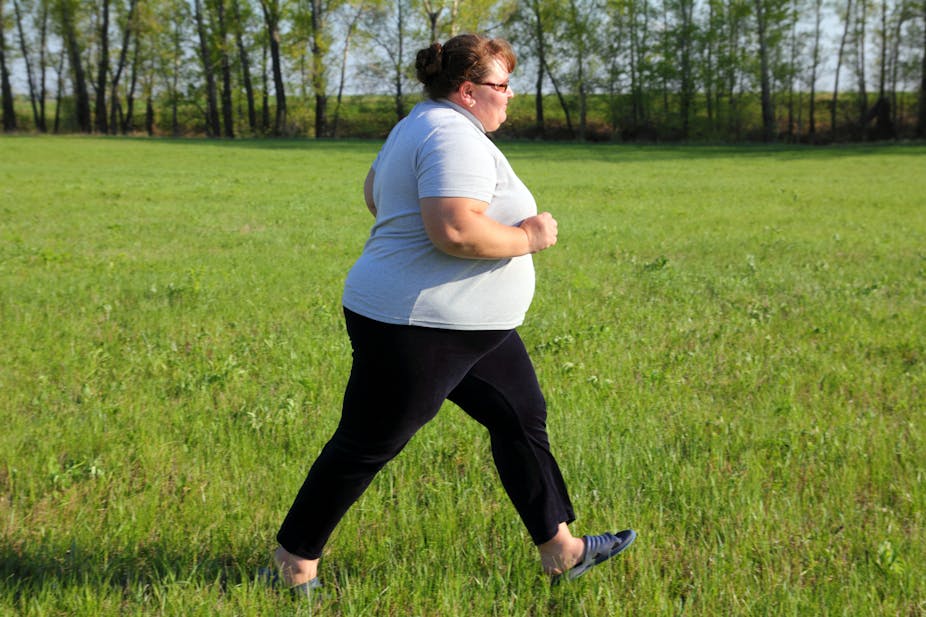
The best way to prevent type 2 diabetes is to lose your excess fat. Image from shutterstock.com

To keep your body functioning, glucose must always be present in your blood. It’s as important as oxygen in the air you breathe. The brain can only function for a few minutes without either before it stops working altogether.

To achieve this level of control is not easy. Some days you might eat a banquet. Other times you might eat nothing at all. Yet through it all, glucose levels will normally fluctuate only very slightly. This is achieved thanks to an elaborate system of checks and balances that carefully regulate how much glucose is going into the blood and how much is going out.

Diabetes is the state in which this balance fails and glucose levels rise.

As sugars are digested and absorbed from your diet, they trigger the release of hormones, the most important of which is insulin, which is made and released by the beta cells of the pancreas.

Insulin coordinates the body’s response to rising blood glucose levels, telling the cells of the liver, muscles and fat to take away glucose from the blood (and store it for later use). It also tells the liver to stop making and releasing any extra glucose, which is rendered unnecessary by having just had a meal.

Diabetes occurs when there is not enough insulin (or insulin function) to keep glucose levels under control.

Many different factors can contribute to the decline and loss of insulin’s functions. In some people, their immune system can inadvertently destroy the insulin producing beta-cells of the pancreas. This is called type 1 diabetes.

Type 1 diabetes accounts for around 10% of all people with diabetes. It can occur at any age, not just in children and adolescents. Regular insulin injections are always needed to treat it. At present there is no way to restore the body’s ability to make its own insulin, but a cure for type 1 diabetes may be possible one day.

Type 2 diabetes

The most common form of diabetes is type 2 diabetes, which accounts for over 90% of cases. At least 1.7 million Australians currently have type 2 diabetes, and this number is expected to double over the next decade. At least a quarter of Australians will develop diabetes in their lifetime, mostly after the age of 60. By 2030 it is anticipated that one in ten adults in the world will have type 2 diabetes.

Any calories we eat that are in excess of those burnt by our metabolism or physical activities, are stored as fat. Most people develop type 2 diabetes because they cannot safely sequester all the excess energy from their diet as healthy fat, and a toxic waist starts to accumulate. This ectopic fat damages the beta-cells and produces resistance to insulin’s actions.

But while many Australians are overweight, only some develop type 2 diabetes. Some people are better than others in safely storing fat and/or remain capable of making enough insulin. However, others simply can’t sustain this extra workload and eventually there is not enough insulin (function) to keep glucose levels under control.

Some people develop type 2 diabetes without being very overweight. People of Asian descent, for example, are prone to lay down ectopic fat if they eat too much or are inactive. So gaining five kilograms almost doubles their risk of type 2 diabetes. By comparison, a five-kilogram weight gain in a Caucasian person has less than half this effect.

Physical activity and a good diet can reduce the risk of complications from type 2 diabetes. Michael Lokner

The best way to prevent type 2 diabetes is to rest your beta cells and lose your excess fat. Changes in the amount and types of sugar and fibre in your diet, for example, can reduce the strain on your pancreas. Reducing your waist through dieting and increased physical activity will burn fat and reduce its limiting effects on your metabolism.

The loss of insulin’s functions can have a number of effects on health and well-being. Type 2 diabetes usually starts out as a silent problem. The most common symptoms – fatigue, poor vision, irritability, reduced libido and passing urine more frequently – may all be dismissed as signs of getting old or other health problems. However, when suspected, diabetes can be easily identified by a blood test.

Diabetes can sometimes result in serious and life-threatening damage to blood vessels, heart, nerves, eyes, bladder and kidneys. This makes diabetes a leading cause of disability, illness and death in Australians.

Good management of type 2 diabetes can reduce the risk of complications. This involves interventions including diet, physical activity and usually medications to not only maintain good glucose levels, but also optimal blood pressure, weight and lipid levels. Close monitoring for early signs of complications also allows for their early detection and treatment.

In its early stages, type 2 diabetes is reversible. Gastric bypass surgery, for example, will “cure” type 2 diabetes in most cases. It requires major surgery that is not suitable for most people with type 2 diabetes. But it illustrates just how important waist control is for the prevention and management of type 2 diabetes.

Merlin Thomas is the author of Understanding Type 2 diabetes

Join the conversation

47 Comments sorted by

  1. Henry Verberne

    Former IT Professional

    I have high blood pressure, controlled by medication. Recently I had periodic blood tests taken and all the tests were fine with the exception of blood glucose which was somewhat outside the acceptable range. I am probably "Pre-diabetic" but this has yet to be confirmed after I did a glucose tolerance test.

    I am 61, and I am about 6kg over accepted weight for height. I walk briskly every day (10,000 steps) and eat healthily (but admit to being fond of cheese and chocolate). I do not smoke and limit drinks to a glass of red wine with dinner. My late mother also had Type 2 so there might be a pre-disposition. I am determined to do whatever is in my control to avoid becoming a diabetic. I have set myself a target to lose at least the excess 6kg and will cut down on cheese and chocolate.

    report
    1. Sue Ieraci

      Public hospital clinician

      In reply to Henry Verberne

      Hi, Henry

      There is definitely a strong familial tendency in Type 2 diabetes, and not all type 2 diabetics are obese.

      Doing what you can to reduce the impact is the right approach for many reasons, but, if insulin resistance still develops, it doesn't necessarily mean you did anything "wrong".

      report
    2. Keith Thomas

      Retired

      In reply to Sue Ieraci

      It is possible that you did something "wrong" many years ago when your body was susceptible (excessive sugars at a key developmental stage like puberty, adopting a dietary fad over a period when you were under a lot of stress) and with what may be an inherited predisposition.

      My non-medical and personal suggestion is that you continue eating chocolate at your present levels, but only 95% or 100% chocolate. It is likely that ingredients in chocolate bars other than the cacao that are the health risk. That way you will increase the intake of chocolate with the associated pleasant psychopharmacological effect from the theobromine and, if you can adjust your presuppositions, none of the guilt.

      Good luck. And don't worry about the extra 6kg of fat - it may even be protective.

      report
    3. Robert Peers

      General Practitioner

      In reply to Sue Ieraci

      hi sue what do you think actually causes insulin resistance, then? and what does a strong familial tendency mean, given that type 2 diabetes genes have piddling effects?

      report
    4. Sue Ieraci

      Public hospital clinician

      In reply to Robert Peers

      Robert Peers - I can't tell if you're asking rhetorical questions or not.

      For other readers, there is a difference between strict inheritance of diseases (such as haemophilia or thalassaemia) and diseases that tend to occur on families (like depression, atopy/asthma, and type 2 diabetes).

      What do I think actually causes insulin resistance? It has nothing to do with what I think, but what the research shows (I am not an endocrinologist or researcher in endocrinology).

      Studies of insulin…

      Read more
    5. Sue Ieraci

      Public hospital clinician

      In reply to Keith Thomas

      Keith Thomas - what is your view of the papers I mentioned in relation to the causes of insulin resistance? You can find the full papers on-line in the journal Diabetologica.

      (or do you prefer to ignore the endocrinology research and go for the populist paperbacks - to be "ahead of most doctors".)

      report
    6. Keith Thomas

      Retired

      In reply to Sue Ieraci

      Sue, I'm probably with you, not against you. I agree fully that insulin and other hormones, cell metabolism etc. are all part of this complex illness. I did not cite any "populist paperbacks" so I presume you are just wagging your finger at me metaphorically, and letting me know that medically and scientifically-qualified professionals who can comprehend and keep abreast with the formal medical literature are the only people who have an opinion worth listening to.

      Diabetologica is, I openly admit…

      Read more
    7. Robert Peers

      General Practitioner

      In reply to Henry Verberne

      hi henry you need to see a health and longevity practitioner [a "help"], but for now a good dietitian will do...this country needs a healthy alternative to medicine, like an australian college of health practitioners, to promote health science...henry, medicine has little to offer you, since no medical is scared of your cheese and chocolate..but i am...if i may speculate: having a diabetic mother means the mother has consumed fatty diet for many years [dairy fat, bakery fat, chocolate etc.]...if…

      Read more
    8. Robert Peers

      General Practitioner

      In reply to Sue Ieraci

      hi sue see my reply to henry verberne...diseases that ted to run in families, like diabetes and depression, are western high-fat diseases, not seen in traditional societies like the kaluli in new guinea, or the older okinawans, or in japanese fishing villages...fatty diet in pregnancy exposes the foetal brain to maternal cortisol, which programmes lasting anxiety in 20-30% of westerners...if the anxious child or adult eats a fatty diet themselves, brain inflammation ensues, that converts anxiety…

      Read more
    9. Sue Ieraci

      Public hospital clinician

      In reply to Robert Peers

      Robert peers - there is absolutely no evidence for your assertion that "diseases that ted to run in families, like diabetes and depression, are western high-fat diseases, not seen in traditional societies".

      IN fact, a lot of research on insulin resistence was conducted in the 1980's by Stephen Lillioja in communities of Pima Indians (native americans).

      There are many many familial illnesses - some with precise inheritance - like haemophilia, and some with familial tendency (like atopy/asthma).

      There is also no evidence that depression develops in the manner you assert. Where are the results of your treatment of anxiety and depression available for review and verification?

      report
    10. Sue Ieraci

      Public hospital clinician

      In reply to Keith Thomas

      Keith Thomas - why are you offended by the suggestion that someone who has studied and practised the clinical sciences might have a more informed (and valid) view of complex endocrine disorders than those who haven't?

      report
    11. Robert Peers

      General Practitioner

      In reply to Sue Ieraci

      hi sue i am afraid that i must remind you that are a medical, untrained in nutrition, and you also seem to be a stranger to epidemiology and the history of diseases

      as a result, you ask many questions, but seem to have no answers

      the pima indians, who were historically free of diabetes, are well known to have adopted a high fat white american diet many decades ago--especially cooking in highly diabetogenic hydrogenated crisco fat, supplied in tins

      did you know that? crisco is not a traditional…

      Read more
    12. Keith Thomas

      Retired

      In reply to Sue Ieraci

      Not at all. It's what I'd expect. The problem I have is that, in a forum like this, designed to enable interested lay people to learn from experts, some experts take the position that the best way to convince lay people who are wrong (in whatever way) is to refer them to academic specialist papers as if their responsibility has thereby been discharged.

      This may work in a community of experts who have equal facility with the expert literature written for experts. Firing broadsides of academic papers…

      Read more
    13. Sue Ieraci

      Public hospital clinician

      In reply to Robert Peers

      "depression, in turn, is linked to insulin resistance, glucose intolerance and increased diabetes risk; depression has been directly linked to fatty diet [f jacka], which causes the well known systemic and neural inflammation [b culver, 2005], that converts plain anxiety to depression"

      Robert Peers - can you talk us through the research that supports your assertion, how it was done, and what it showed?

      report
    14. Sue Ieraci

      Public hospital clinician

      In reply to Keith Thomas

      Keith Thomas - I understand what you are saying, and I translate clinical evidence from research into everyday language in my encounters with people all the time.

      What I was responding to was your passive-aggressive comment: "you'll be ahead of most doctors and pretty much all the confidents one-cause know-alls."

      Do you see this comment as being in the spirit of this forum?

      Perhaps "most doctors" have read more of the actual literature and less of the "darned good reads".

      With all the time I spend keeping up with skills in critical review of the literature, even after decades in clinical practice, I don';t have a lot of confidence in journalists and authors' critical review skills for medical research. Disagree if you will, but don't mistake good communication for accuracy.

      report
    15. Robert Peers

      General Practitioner

      In reply to Sue Ieraci

      hi sue yeah it's a long story, how fatty diet [a proven cause of diabetes--himsworth, 1936] causes anxiety disorder prenatally, and also converts anxiety to depression

      1. i routinely take diet histories, and put all patients on a preventive low-fat diet, and first noticed (about 1994-95) that depressed patients [especially young women willing to try my diet] soon lost their depression--but remained anxious

      2. in 1990, i spotted a study by us researcher stephen koslow, that startled me: he found…

      Read more
    16. Sue Ieraci

      Public hospital clinician

      In reply to Robert Peers

      Thanks for the theorising, Robert, but is there any evidence for what you propose?

      Where is there evidence for "these nasty inflammatory cytokines also hyper activate an already anxiety-activated pituitary-adrenal axis, meaning even more cortisol to impair frontal lobe function, to enhance tryptophan diversion toxicity, and to impair neurogenesis in the hippocampus
      and
      6. the brain inflammation from fatty diet may also drive the white matter pathology now described in depression"?

      There is evidence for monoamines, serotonin, noradrenaline and dopamine in the genesis of depression. I have not seen evidence of your "fatty diet" theory. Is it tested, or only theoretical?

      report
    17. Robert Peers

      General Practitioner

      In reply to Sue Ieraci

      hi again sue

      naturally, i have detailed scientific references for all my claims about depression mechanisms, collected over 22 years

      together, these refs, when grouped with my nutritional discoveries, are easy to integrate into an inductively strong simplifying hypothesis on the nutritional origins of anxiety and depression

      i do not theorise--i collect and group a wide range of facts, in order to frame a robust scientific hypothesis--this is inductive reasoning, not karl popper's fanciful…

      Read more
    18. Sue Ieraci

      Public hospital clinician

      In reply to Robert Peers

      "over the years, i have continually run into highly anxious, defensive medical researchers and practising doctors, who display remarkable dogmatism, scornful skepticism toward new ideas, and impaired executive function--unable to coolly assess and integrate new facts into a revised hypothesis, perhaps due to their higher intellectual functions being offline, in favour of a more primitive emotion-driven response based on stress-driven activation of the limbic structures lower in the brain"

      I've also come across mavericks with their own ideas - unwilling or unable to verify them through structured testing, but just asserting that everyone is ignoring them because it's in their financial interests to keep everyone sick. DOesn't wash, though.

      Peptic ulcer therapy didn't change because the proponents of the infection model were mavericks, but because they produced convincing evidence, that was replicated many times.

      report
  2. John Bryan

    logged in via Facebook

    My doctor, slim, in his early fifties, told me during a consult he was closing the practice; he was diabetic with failing eyesight. As well as feeling let down and angry I was non-plussed because everything seemed wrong.

    So the practice closed, Bill disappeared and I remain non-plussed. This excellent article improves my understanding.

    report
  3. rory robertson

    rory robertson is a Friend of The Conversation.

    former fattie

    I have not yet read Professor Thomas's book (I will), but those interested in what causes obesity and Type 2 diabetes - and how to reverse them - would do well to read a copy of "Good Calories, Bad Calories”, a history of nutrition science written by former The New York Times science researcher Gary Taubes.

    In short, his top-three conclusions are:

    1. Dietary fat, whether saturated or not, is not a cause of obesity, heart disease, or any other chronic disease of civilisation.

    2. The problem…

    Read more
  4. Diana Taylor

    retired psychotherapist

    I have recently been diagnosed with type 2 diabetes, which means regularly checking my glucose levels. My glucose levels are low enough for my GP to say I may not need the Diabex. However, the effect of Diabex for me goes way beyond glucose control. Indeed it has given me back about 10 years of life. Of course, this is due to the diabex facilitating the uptake of glucose by various cells around my body.

    Being of curious mind, it occurs to me firstly that Diabex should probably be regarded as…

    Read more
  5. Whyn Carnie

    Retired Engineer

    An excellent explanation. A point that should be emphasised is that while the body must convert all the food we eat into glucose in the blood for it to be of any use to brain and body, there is no need to ingest glucose directly in the form of sugar, unless one is type I diabetic in an emergency.
    There are several possible initiating factors for type II diabetes. Thus there are several possible remedies that need to be pursued to find the one suited to a particular individual. Patients who look…

    Read more
    1. Tom Hennessy

      Retired

      In reply to Whyn Carnie

      One must start with what is KNOWN to cause diabetes and work back from there ?
      That is why as you have done above is try to describe how you try to understand WHY this happens to a human , try , NOT "this is what causes diabetes".
      Logically you would go from what has been PROVEN to cause diabetes , especially if you have it , because you MUST 'figure it out' for your own sake.
      So , logically , with all the evidence being considered you must START with the metal iron because simply it has been…

      Read more
    2. Tom Hennessy

      Retired

      In reply to Tom Hennessy

      "Repeated blood withdrawals from ferric-nitrilotriacetate-treated animals resulted in disappearance of hypergycmia, glycosuria,
      ketonemia, and ketonuria; disappearance of iron from the liver
      and pancreas; and restoration of islet beta granules to the
      control level."

      report
    3. Tom Hennessy

      Retired

      In reply to Tom Hennessy

      "Although the exact mechanism of iron-induced diabetes is uncertain, it is likely, as discussed below, to be mediated by three key mechanisms: 1) insulin deficiency, 2) insulin resistance, and 3) hepatic dysfunction. An understanding of the pathogenic pathways of iron-induced diabetes is derived mainly from studies on animal models of hemochromatosis."
      http://care.diabetesjournals.org/content/30/7/1926.full

      report
    4. Whyn Carnie

      Retired Engineer

      In reply to Tom Hennessy

      I wonder if as you claim type II diabetes is caused by some Fe imbalance, and mine was cured by fat loss that enabled me to get back to reasonable exercise, then could any Fe imbalance have also been cured. Chicken and egg situation?

      report
    5. Sue Ieraci

      Public hospital clinician

      In reply to Whyn Carnie

      Mr Carnie - Mr Hennessy's comments are only relevant in pathological iron overload - such as haemochromatosis. Unless one has a metabolic disorder such as this, the main issue with iron is deficiency, caused either but insufficient intake or by loss of blood.

      Unless you had any of these conditions, it is highly unlikely that iron had anything to do with your glucose metabolism.

      Mr Hennessy happens to believe that essentially all human illness or wellbeing relates to iron levels. He is fairly unique in this belief, and not supported by science or practice.

      report
    6. Tom Hennessy

      Retired

      In reply to Whyn Carnie

      As an analogy , you tell your doctor , it hurts when I raise my arm , and he tells you , "don't raise your arm" .
      The same with diet , rather than try to understand why 'raising your arm hurts' / why you have diabetes , the medical profession tells you not to raise your arm / telling you to not eat sugar , not to eat fat and not eat carbohydrates all the things the increased iron CAUSES you not to be able to eat. So rather than being cured as you believe , you are merely controlling your diabetes with natural means , limiting sugar , fat and carbs because you cannot properly assimilate them / not raising your arm.
      Which is why the NIH is conducting a clinical trial of iron depletion for type 2 and NAFLD , the accumulated evidence is so strong.

      "Iron Depletion Therapy for Type 2 DM and NAFLD"
      http://clinicaltrials.gov/ct2/show/NCT00230087

      report
    7. Tom Hennessy

      Retired

      In reply to Tom Hennessy

      At one time they said it is IMPOSSIBLE for iron to be involved in diabetes because all diabetics are iron deficient , so it is simply IMPOSSIBLE for all diabetics to be iron overloaded , simply impossible.

      Then , this study is produced.

      "NTBI (non-transferrin-bound iron ) was commonly present in diabetes: 59% in newly diagnosed diabetes and 92%
      in advanced diabetes"

      So it goes from ALL are iron deficient to , voila , 92% have iron just floating around in the body , non-transferrin bound iron.
      So , unless you don't know your odds , to go from IMPOSSIBLE to everyone of them has it , is kind of a long shot , if you know your odds.

      report
    8. Tom Hennessy

      Retired

      In reply to Tom Hennessy

      "Fe depletion consistently enhanced glucose disposal"
      http://www.ncbi.nlm.nih.gov/pubmed/11591239
      "Transition metals redox: reviving an old plot for diabetic vascular disease"
      http://www.ncbi.nlm.nih.gov/pmc/articles/PMC199584/
      "Insulin-Producing Cells, Iron, Oxidative Stress, and Lysosomal
      Pathology"
      "The decisive role of free lysosomal iron in oxidative stress is strongly supported by the following lines of evidence, provided by the present study (a) glucose- and amino acid-starvation promotes…

      Read more
    9. Tom Hennessy

      Retired

      In reply to Tom Hennessy

      This explains the problem with simple sugars and their seemingly straight to fat scenario.
      The , "even in the absence of significant iron overload" , scenario where the medical profession doesn't believe there IS an iron problem.

      http://www.medscape.com/viewarticle/439591_5
      "Cross-Talk Between Iron Metabolism and Diabetes"
      "It is increasingly recognized that iron influences glucose metabolism, even in the absence of significant iron overload'

      report
    10. Whyn Carnie

      Retired Engineer

      In reply to Tom Hennessy

      Your preoccupation with the pathology of Fe borders on the obsessive. during my weight loss phase a couple of times my surgeon commented on blood test low-end Fe levels, and indicated this to be a normal indicator of success. They have been normal for two years now.

      Whatever the general mechanism for diabetes type II control proves to be, the total avoidance of refined glucose from our food intake will help. The best use for sugar is production of drinking ethanol. It is certainly no economicsubstitute for petrol but try telling our government that.

      Please cease attempting to detract from the original article which really tries to show diabetes sufferers hope.

      report
    11. Tom Hennessy

      Retired

      In reply to Whyn Carnie

      "Please cease"

      Actually the thread is .. what is diabetes .. you actually didn't include one cite , just your opinions , and I didn't tell you you are full of stupid ideas , did I ?
      Afford me the same courtesy and in the meantime , don't read my posts.

      report
    12. Keith Thomas

      Retired

      In reply to Whyn Carnie

      "Whatever the general mechanism for diabetes type II control proves to be ..." There may be some truth in what Tom Hennessy says,and anyone who focuses on refined glucose, body fat levels or any other single cure/treatment mechanism for type 2 diabetes may be able to make some progress. But can we please think also about the millions who do not have diabetes as well as the hundreds of thousands with the illness, and look at prevention.

      Prevention will likely require a diet and type of physical activity (possibly also removal of environmental influences) combination so different from the norm and peer custom than most susceptible people are prepared to embrace without the incentive of diagnosis.

      (PS, thank you, Rory Robertson for your energetic and thoughtful contributions here and in other places to this topic.)

      report
    13. Tom Hennessy

      Retired

      In reply to Tom Hennessy

      This compilation gives a good idea how the medical profession gives iron to pregnant women causing them to manifest gestational diabetes and also deliver babies , if they manage , who have excess iron and diabetes , too.

      "A new study conducted by researchers at Children's Hospital Oakland Research Institute (CHORI), in close collaboration with scientists at the National Institute of Perinatology in Mexico, is the first to show that the current iron supplement recommendation for pregnant women…

      Read more
    14. Tom Hennessy

      Retired

      In reply to Tom Hennessy

      Apropos , this , just in.
      "Ferritin levels and risk of type 2 diabetes mellitus: an updated systematic review and meta-analysis of prospective evidence"
      "Elevated levels of ferritin may help identify individuals at high risk of T2DM, who are likely to benefit from lifestyle or therapeutic interventions"
      http://www.ncbi.nlm.nih.gov/pubmed/23381919

      report
    15. Tom Hennessy

      Retired

      In reply to Tom Hennessy

      The money saved on statins alone.

      "It has emerged that doctors waste tens of millions of pounds on buying unnecessarily expensive versions of the drug - and the Politics Show can now reveal which NHS Trusts are the worst offenders."
      http://news.bbc.co.uk/2/hi/programmes/politics_show/7192271.stm

      "The Statin-Iron Nexus"
      "Iron reduction may be a safe and low-cost alternative to statins."
      http://www.ncbi.nlm.nih.gov/pubmed/?term=23409890

      report
    16. Whyn Carnie

      Retired Engineer

      In reply to Tom Hennessy

      DearTom,

      Think my opinions are as valid as yours. They are based on my experience and actual medical history, not reading about it on the net, so they don't need citations.
      Thanks for not telling me you think my experience has led me to stupid ideas. I shall certainly stop reading your posts. The rest of this conversation is still very helpful.

      report
  6. rory robertson

    rory robertson is a Friend of The Conversation.

    former fattie

    From the cover story "Mixing his Drinks" in "the deal" liftout magazine of The Australian, 15 February 2013:

    "Cognisant of the role played by sugary drinks in the poor diet of many remote [Northern Territory and Queensland] communities, CCA has modified its marketing in those areas to focus on water and diet drinks. Also soft drinks with sugar in them are no longer being refrigerated, which makes the healthier options in the fridge more appealing in the Top End climate: 'In these hot areas, people are going to drink commercial beverages and our job is to provide some education, so they think about alternatives, whether it's water or Coke Zero or Diet Coke' [says Terry Davis, CEO of Coca-Cola Amatil] "

    Readers, would it be correct to assume that sugary softdrinks are a health hazard - a key driver of obesity, diabetes and heart disease, etc - because of the added sugar, not the added water or the added bubbles?

    report