

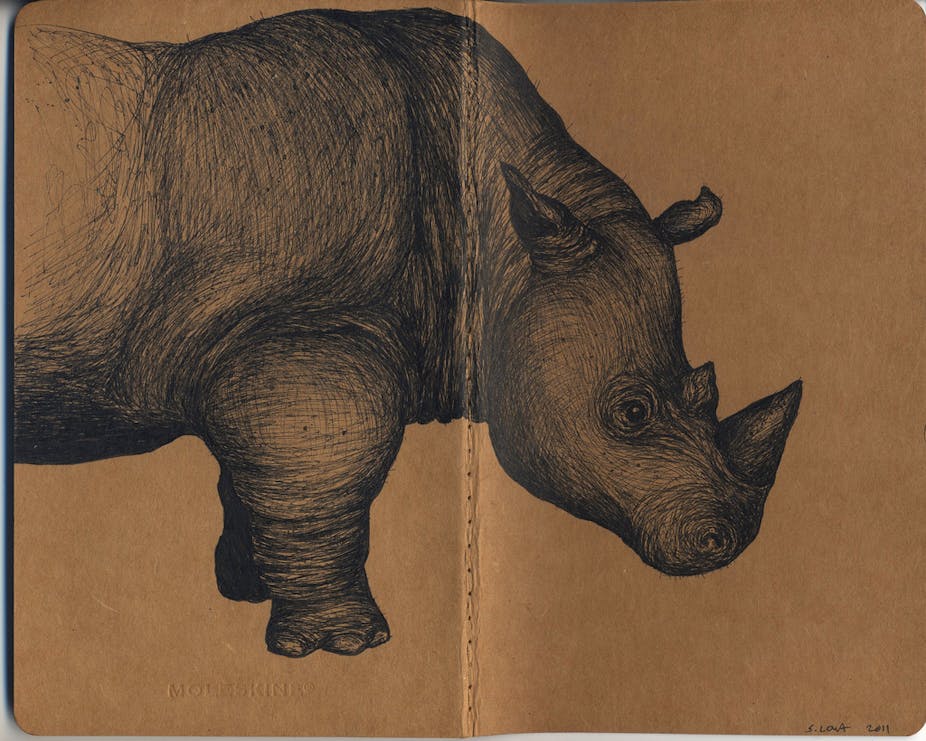
There has been little good news for rhino conservation in recent years. Increasing demand for rhino horn, particularly in Asia, has led to a massive spike in prices and incidents of poaching. This is devastating the last rhinoceros populations in Africa and Asia. But good news is trickling out of Indonesia.
Last year saw the confirmed extinction of the Javan rhinoceros in Vietnam, and the Western Black Rhino in Cameroon. In 2010 and 2011, almost one rhino was shot each day in southern Africa.
Many media reports suggest the war against poaching is being lost, not only for rhinos but for tigers, elephants, sharks and many other species traded internationally, mostly illegally. The World Conservation Union (IUCN) estimates that up to 25% of the world’s animals are under threat of extinction.
However, at least for rhinos, new hope for their conservation has emerged from the unlikeliest source. Indonesia, home to the critically endangered species of Javan (Rhinoceros sondaicus sondaicus) and Sumatran (Dicerorhinus sumatrensis) rhinos, has recently made the headlines with some rare good news.
In June, the fourth-ever captive birth of a Sumatran rhino occurred in the Sumatran Rhino Sanctuary in Lampung, south Sumatra. More recently, camera traps have captured images of up to seven rhinos in the Leuser forest of Aceh, north Sumatra. This is the first recorded sighting of this rhinoceros sub-population in over 26 years. These might seem modest successes compared to the many thousands of reports of organised poaching and local extinction, but they do represent that all is not lost. Not yet in any case.
Indonesia’s President, Susilo Bambang Yudhoyono, declared an International Year of the Rhino, starting on June 5 2012. This declaration took place at the request of IUCN. The hope was it would stimulate action for the long-term conservation of the Javan and Sumatran rhinos, but also promote rhino conservation in other range states in both Asia and Africa.
This declaration provides the political will that some organisations have called for. It’s needed, given the drastic impact of illegal rhino-horn poaching to supply the growing market, one that is purportedly run by organised crime syndicates. Such a high-level initiative from a national government is unprecedented in international conservation and has been welcomed by many groups including WWF, IUCN and the Convention on International Trade in Endangered Species (CITES).
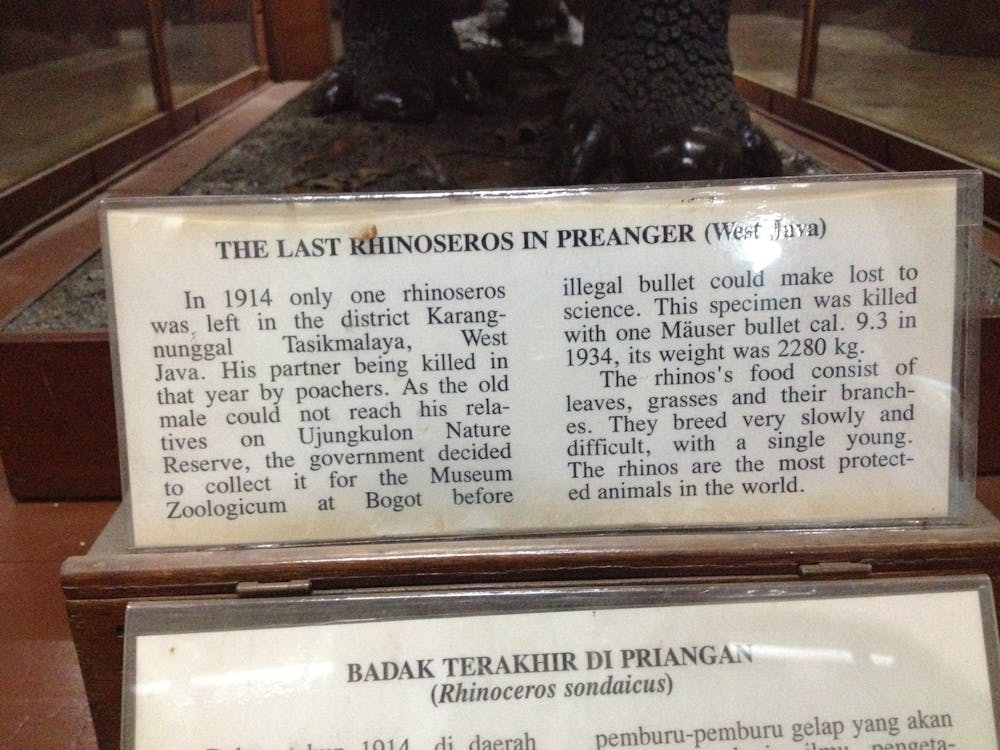
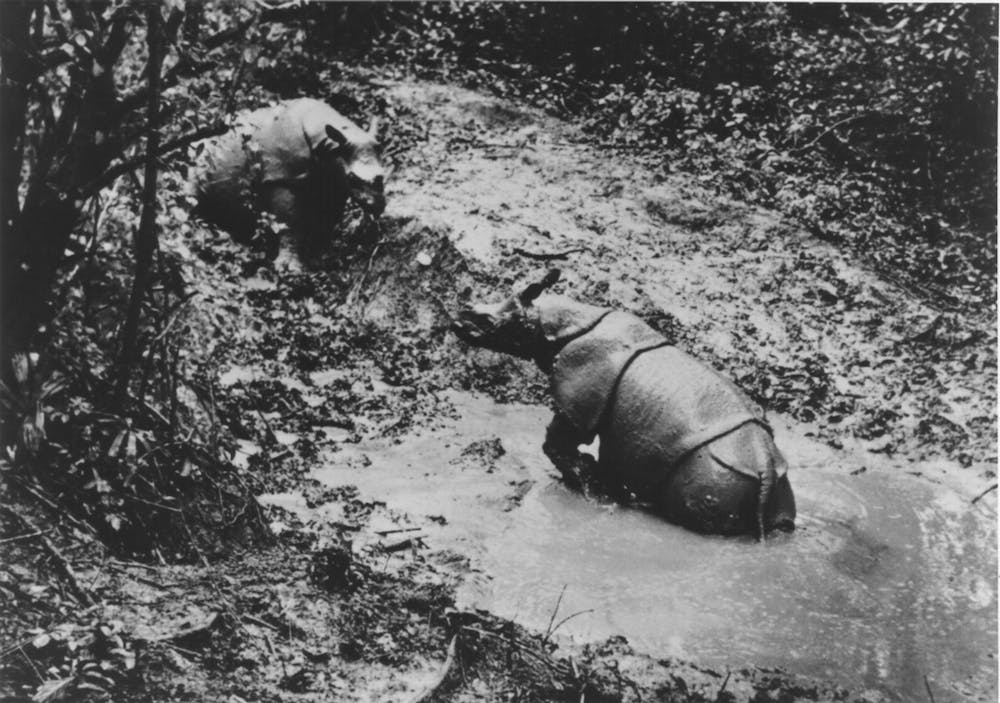
The challenge now will be to maintain the momentum. The Javan rhinoceros, thought to number around 45-50, is isolated to one of the last areas of natural forest remaining in West Java, in the Ujung Kulon National Park.
The Sumatran rhino is in an even more precarious state. It has a total population of around 150 individuals in four very disparate national parks in Sumatra. Each has varying degrees of effective protection, and all have major land pressures from plantation agriculture.
To deal with the intense pressures, the President of Indonesia has established a task force of national and international experts. They are charged with the protection and management of these last populations of rhinoceros in the country.
Of course, single-species conservation is not without its critics. Many argue that, given the limited resources available for conservation, a much more holistic, ecosystem approach is more effective. Protect the habitat: protect the species within. Of course conservation approaches must still take into account growing populations and their welfare and the understandable desire for economic development.
However, integrating conservation, whether at the species or ecosystem level, with the development needs of local people and economic interests of national governments and multi-national corporations has been an elusive goal. Others might contend that, after all the investment and statements of intent, we simply haven’t found the right way to marry these two aims.
The forthcoming World Conservation Congress to be held in Jeju, Korea in early September 2012, will attempt to reappraise what needs to be done to conserve the world’s remaining, and rapidly dwindling biodiversity. One key issue on the agenda will be the future conservation of the last populations of rhinoceros in Asia and Africa. But transferring noble intent and declarations into tangible conservation outcomes will be the greatest challenge of all.