
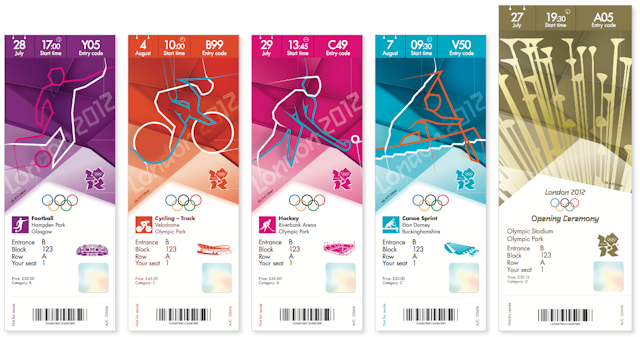


One of the most controversial aspects of the Olympic Games is whether regular punters can get tickets to events. So can they?
When the ticketing strategy for London’s Olympic Games was launched in 2011, Lord Coe, Chair of the Organising Committee, described it as the “the daddy of all ticket strategies”. The main objective was to make as many tickets available to as many people as possible.
In bidding for an Olympics, destinations make promises - especially to the International Olympic Committee. And, of course, they make promises to their residents. But do host destinations ever really deliver?
The International Olympic Committee seems to be increasingly happy with the outcomes of this event. The stories from residents, who inevitably pay additional taxes to fund the Games are, however, less than convincing.
That may be because the daddy of all ticketing strategies was doomed from the start. The public didn’t get a look in until far too late.
Tickets were first allocated to members of the “Olympic family” - an elite group, including national organising committees, sports federations and broadcast partners. Then tickets were allocated to sponsors. And, finally, they were made available to the public. For the London Olympics, the Brits competed for tickets with residents of 31 designated European countries.

In March 2011, locals could log on and put themselves in a ballot for tickets. They promptly oversubscribed. In the following May, they were hit with the bill for tickets they’d successfully applied for, even though they had no idea what tickets they’d actually received until June 2011.
Admittedly, the organising committee developed some interesting ticketing options. “Pay your age” charged anyone under 16 the equivalent of their age for a ticket. Under London 2012 Ticketshare, buyers of “prestige” tickets subsidised free tickets for a range of Londoners.
But in the end, only 1.2m – or only 28% of the 8.8 million tickets - cost £20 or less. Some tickets to the opening and closing ceremonies were available for £20.12. Others sold for as much as £2,012 – five times the price of those for the Beijing Olympic Games Opening Ceremony.
Tickets for popular events were mostly expensive and, for regular punters, relatively scarce.

While many buyers were savvier than others, even touting their expertise on social media sites and blogs, not everyone was happy. Most have expressed their disappointment with the ticketing process and the outcome. On one website, when asked if they were happy with the view from their seats, 75% of respondents indicated their dissatisfaction, noting they “paid a lot for the best tickets and the cheaper ones have a superior view”.
For many Londoners, getting tickets to the Games is not just viewed as an exchange of money. For many it’s about being compensated. They want to be compensated because not enough was done for Londoners “to enjoy a once-in-a-lifetime chance to watch the Olympic Games” and “for putting up with six years inconvenience to stage next year’s event in their back yard”. Or for “living in the host borough of Tower Hamlets, one of London’s most deprived areas”, and being promised to have the most accessible games ever“.
So how will most Londoners experience the Olympics?
The Olympic Games are expected to cause hassles for most Londoners going about their usual business - delivering food to cafes, picking up the kids from daycare, and just getting to work. Motorists are being urged not to drive into London in the two weeks leading up to the Games, and while the Games are on Londoners will have limited access to their roads.
Many Londoners, however, will enjoy non-ticketed free events (weather permitting) at Live Sites outside the stadia. Most will watch the telecast in their lounge rooms with friends and family. Those in the stadia will be paying £8 for a piece of cod with a serve of chips and £2.30 for a can of Coca-Cola.

Travelex suggests that about four million Brits will leave the country in the lead up to the Games. Indeed, large numbers of Londoners are reported to be swapping their homes for homes abroad to avoid the Olympics and get free holiday accommodation. Spain looks to be a winner.
The London Olympics Organising Committee wants to deliver an event that will surpass all other events. It will be spectacular - because it has to be. But when you watch the Games on the television, take a look at who’s in the stadia. We can expect to see Olympic delegates, politicians, sponsor delegates and celebrities. And we will hear the buzz of their tweets – at this, very first, all-together social media Olympic Games.
At the time of the bid for the Games in 2005, the then Mayor of London Ken Livingstone declared that if London were to win the bid, the Games would "dramatically improve the lives of Londoners”.
Who’s in the stadia - and who’s not - will be the litmus test of whether the daddy of all ticket strategies, designed for accessibility, was a success.