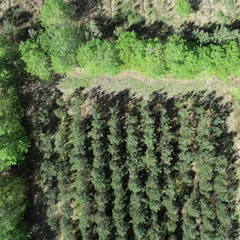
Many in the wider community still see sugar gums as risky trees that drop dangerous branches. But there is much to appreciate and admire about Eucalyptus cladocalyx.
Wild turkeys in a yard on Staten Island, N.Y.
AP Photo/Kathy Willens
Wild turkeys were overhunted across the US through the early 1900s, but made a strong comeback. Now, though, numbers are declining again. Two ecologists parse the evidence and offer an explanation.
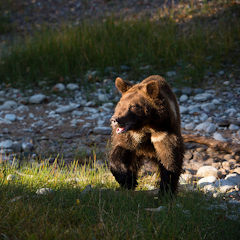
If the government takes grizzly bears off the Endangered Species List, some states will likely introduce a hunting season.
Wolfgang Kaehler/LightRocket via Getty Images
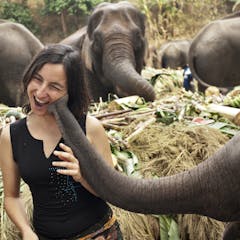
Even self-proclaimed ethical tourism programs can widen economic gaps and harm communities they claim to protect. Here are a few steps you can take as an ethical tourist.
Wetlands at Blackwater National Wildlife Refuge in Maryland shows signs of ‘pitting,’ where areas of cordgrass have converted to open water.
Will Parson/Chesapeake Bay Program via Wikimedia
A coastal scientist explains why marshes, mangroves and other wetlands can’t keep up with the effects of climate change, and how human infrastructure is making it harder for them to survive.
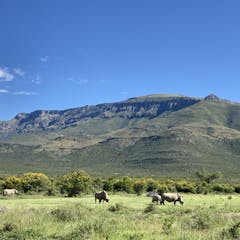
South Africa’s new biodiversity economy strategy aims to make the benefits from biodiversity available to more people.
Hayley Clements
A government program in British Columbia discovered the presence of chronic wasting disease in deer. Now, managing the spread of the disease is a priority.
Male anglerfish are tiny compared to females.
Neil Bromhall/Shutterstock
New research suggests the gut bacteria of red and grey squirrels differ significantly, potentially explaining the decline of the native red and the success of its grey counterpart.
A disabled young female macaque named Monmo at the Awajishima Monkey Center in Japan.
(Sarah E. Turner)
A community of macaques in Japan has a high rate of disabled individuals who survive with behavioural flexibility and maternal care. Globally, primate disabilities are often related to human causes.
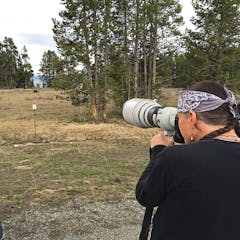
The right way to photograph wildlife: from a distance, in the animal’s natural habitat.
Jim Peaco, Yellowstone National Park/Flickr
A Harry Potter nightwalk experience at a wildlife sanctuary on the Mornington Peninsula has raised concern for wildlife. Evidence suggests the fears are well-founded.
The 49th Parallel marks the border between the United States and Canada. Global endangered species efforts typically do not take into account cross-border considerations.
THE CANADIAN PRESS/Darryl Dyck
Canada is wasting resources, and legitimacy, conserving species that are not endangered elsewhere. Transparent cross-border considerations should inform all new conservation laws.